My Sextortion Diary as a basis for a discussion on digital security
My Sextortion Diary as a basis for a discussion on digital security
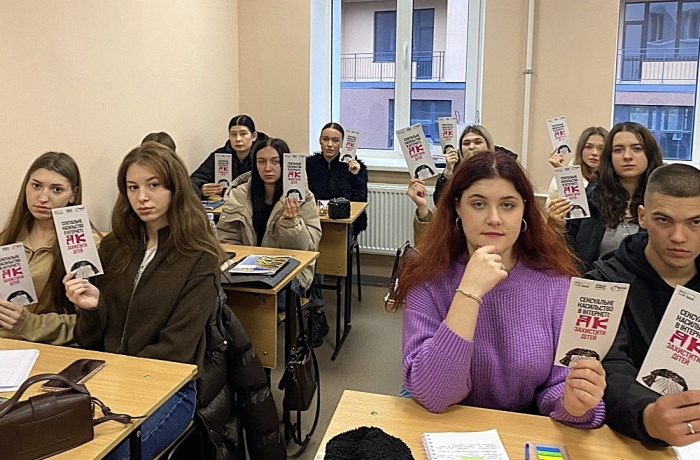
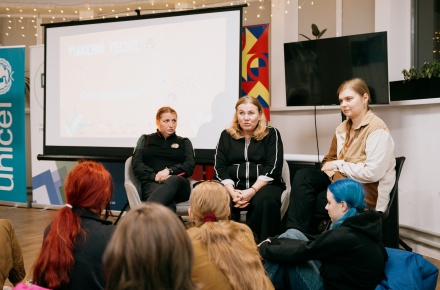
At the Kharkiv National University of Internal Affairs, a psychological and legal discussion titled Cyberbullying and Sextortion: New Challenges for Human Safety took place. The event was part of the Travelling Docudays UA International Human Rights Documentary Film Festival and brought together future law enforcement officers to talk about one of the most pressing issues of the digital world: online violence.
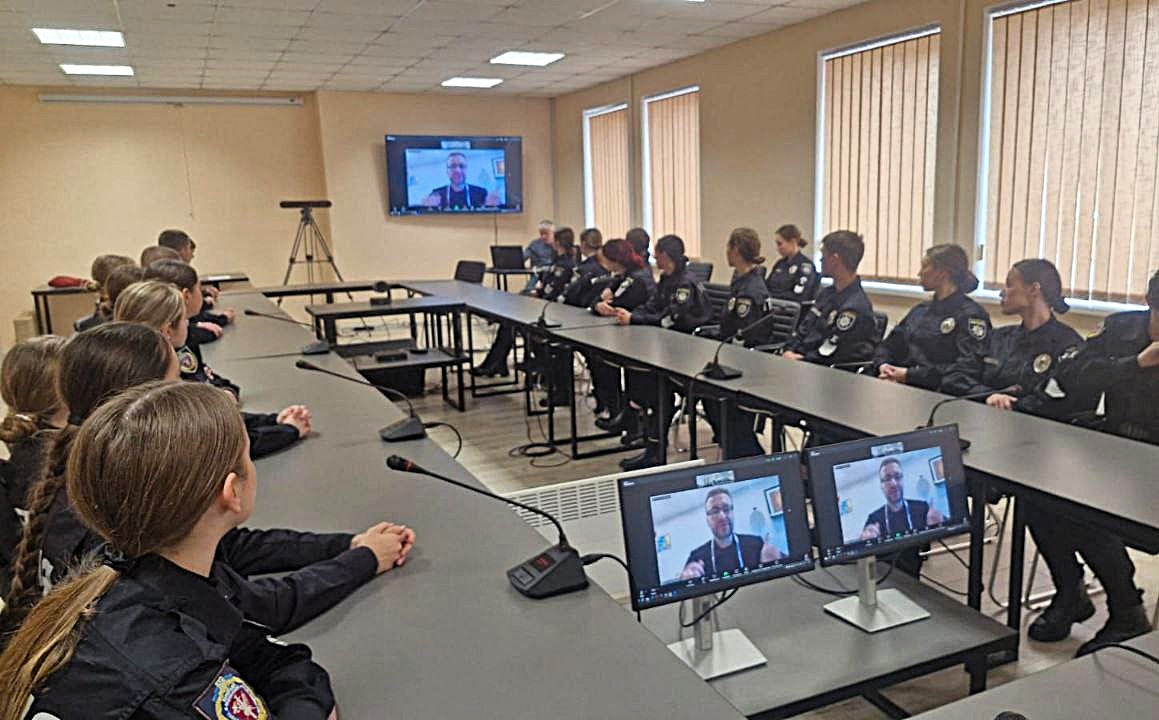 Photo credit: Kharkiv National University of Internal Affairs
The documentary My Sextortion Diary by Spanish director Patricia Franquesa served as the basis for the discussion. It is a candid, personal story of a survivor that allows the audience to view sextortion not as an abstract threat, but as a profound trauma that changes a person’s life.
When digital space becomes dangerous
Yurii Chumak, human rights defender and the regional coordinator of the Travelling Docudays UA in Kharkiv, joined the discussion. He drew attention to how rapidly cases of digital violence are growing, and how important it is for future police officers to understand both the legal mechanisms of response and the psychological consequences for survivors.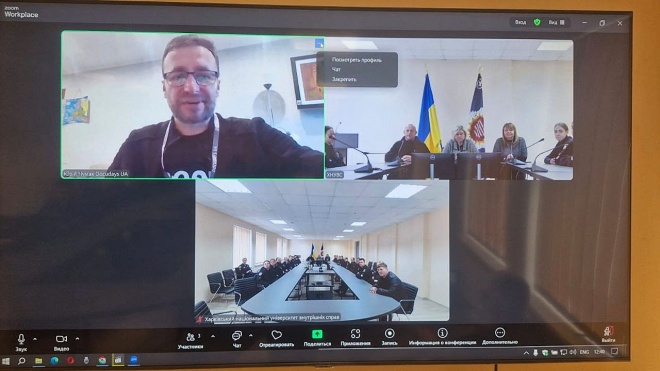 Photo: coping mechanisms and psychological consequences for victims of online violence, by Kharkiv National University of Internal Affairs
The trainees emphasised that cyberbullying and sextortion are not “online jokes” or “regular conflicts on social media.” These are dangerous forms of violence that can lead to severe psychological conditions and social isolation.
The following topics were discussed during the meeting:
-
what cyberbullying and sextortion are, and why their prevalence is increasing;
-
what liability is provided for such actions and why it is important to document evidence correctly;
-
how law-enforcement officers handle reports of digital violence;
-
why survivors are afraid to seek help and how to support them properly;
-
the basics of digital hygiene, personal data protection, and safe online communication.
“Online violence hurts people as much as physical violence”
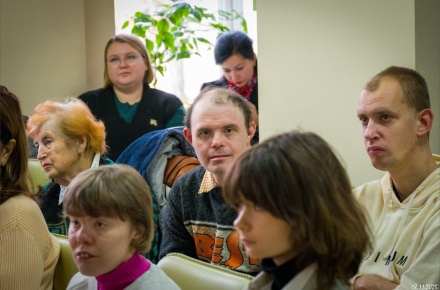
The participants placed particular emphasis on the psychological consequences of digital attacks, from shame and anxiety to prolonged depressive states and even suicidal thoughts. The future police officers spoke about the fact that behind every such case is a person who needs support, not judgment or dismissal.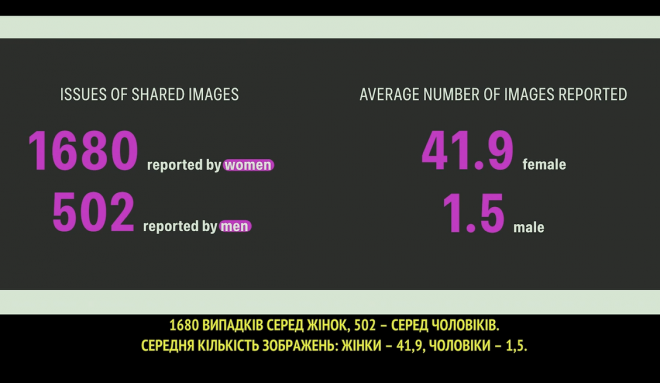 Photo: still from the film My Sextortion Diary
At a time when the boundary between the real and digital environments is becoming thinner and thinner, it is important to consider the gendered aspect of the issue. The lecturers reminded everyone that girls become targets of online harassment far more often, and that stereotypes and a culture of silence make them even more vulnerable.
“The blame always lies with the perpetrator”
Professor Nataliia Miloradova of the Department of Psychology, Sociology, and Pedagogy at Kharkiv National University of Internal Affairs emphasised:
“This meeting showed how important it is today to talk openly and honestly about online threats. The trainees do not simply listen, they empathise, they ask difficult questions. This means that such events help them develop resilience to manipulation and readiness to protect themselves and others. We must teach young people not to be afraid to seek help and to remember: the blame always lies with the perpetrator, not the survivors.”
Practical tools for future police officers
At the end of the event, participants received the information leaflets Sexual Violence Online: How to Protect Children, prepared by Docudays UA and NGO Magnolia. These contain concise, clear, and practical recommendations that help respond more quickly to the challenges of the digital environment and provide survivors with competent and sensitive support.
Such meetings are becoming an important tool for shaping the professional and ethical preparedness of future law-enforcement officers, as well as a reminder that human rights need protection not only on the streets but also in the digital space.
Author: Heorhii Kobzar
The 22nd Travelling Docudays UA is held with the financial support of the European Union, the Embassy of Sweden in Ukraine, and International Media Support. The opinions, conclusions or recommendations do not necessarily correspond to the views of the European Union, the governments or charities of these countries. Responsibility for the content of the publication lies solely on its authors.