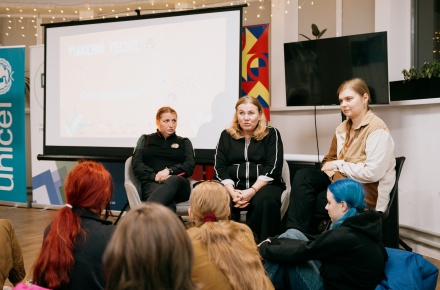
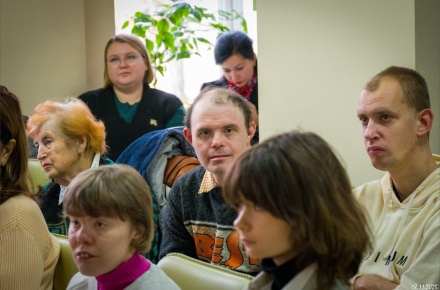
“The rarest resource is people”: How the Travelling Docudays UA Film Festival concluded in Lviv
“The rarest resource is people”: How the Travelling Docudays UA Film Festival concluded in Lviv
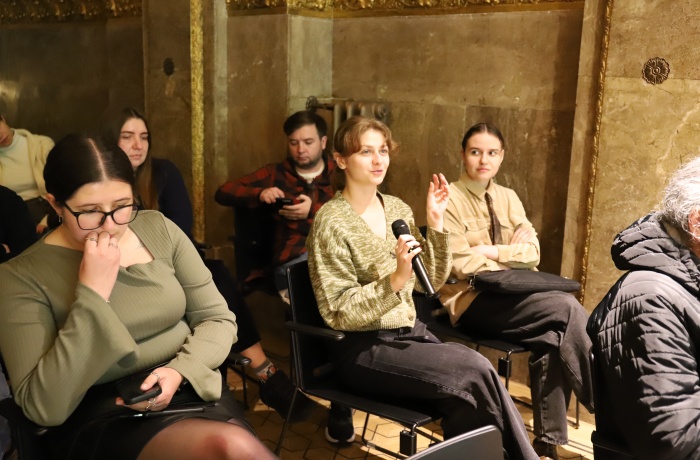
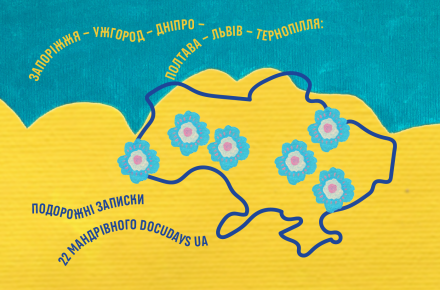
The 22nd Travelling Docudays UA reached 19 regions of Ukraine and, throughout October–November 2025, became a platform for an honest conversation about the war, human dignity, and the strength of communities that continue to live and fight for freedom. The Lviv programme became one of the most eventful, and at the same time the most emotional.
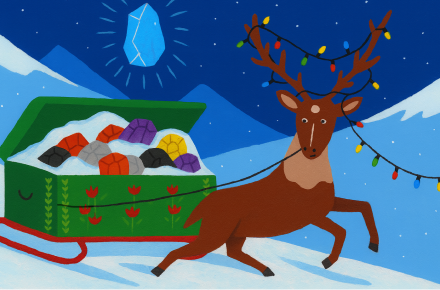
This year’s theme, Rare Resource, alludes to rare-earth minerals that have become the subject of political bargaining. But it reminds us: in a time of war, the most valuable resource is still people — their resilience, voice, memory, and right to life.
The 22nd Travelling Festival is dedicated to the memory of Tetiana Kulyk, coordinator of the Network Development Department, whose efforts for many years made it possible to bring the Travelling Festival to the most remote communities and to support the DOCU/CLUB Film Club Network.
The festival ambassador was the human rights advocate Maksym Butkevych, a former prisoner of war and winner of the Václav Havel Prize. His story about unbreakability and the cost of freedom became one of the moral guideposts of this year’s Travelling Festival.
Testimonies of war and the search for justice
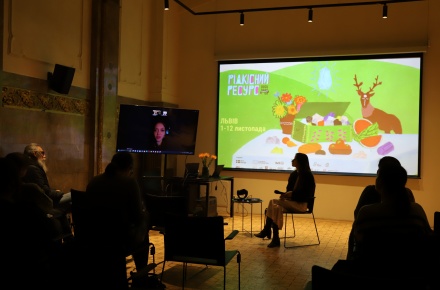
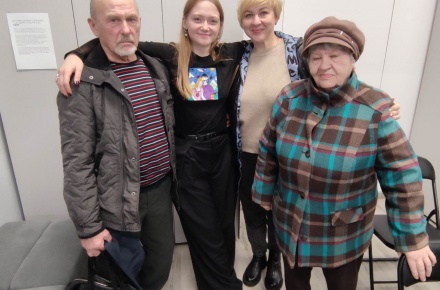
In the Lviv programme, audiences were presented with 10 documentaries. One of the central events was the screening of Witnesses. Captivity Kills, which documents the inhuman conditions of detention of Ukrainian prisoners of war in Russia. After the screening, a discussion took place focusing on the documentation of war crimes and the importance of international pressure.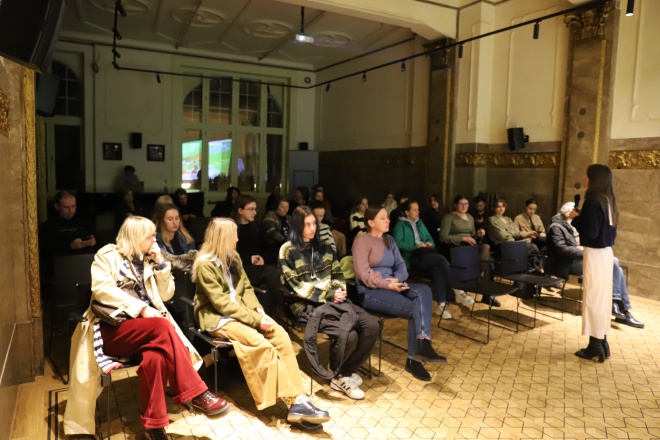 Photo: Vira Karpinska, regional coordinator of the festival, at the closing ceremony of the 22nd Docudays UA Traveling Festival in Lviv, by Yaroslav Tabinsky
“Human life is the rarest resource. And when we see these testimonies, we understand how much more must be done to protect them,” noted the festival’s regional coordinator, Vira Karpinska.
Three final stories: About war, loneliness, and humanity
The closing event in Lviv included three short documentary films — different in geography, but united by the topic of human vulnerability and resilience.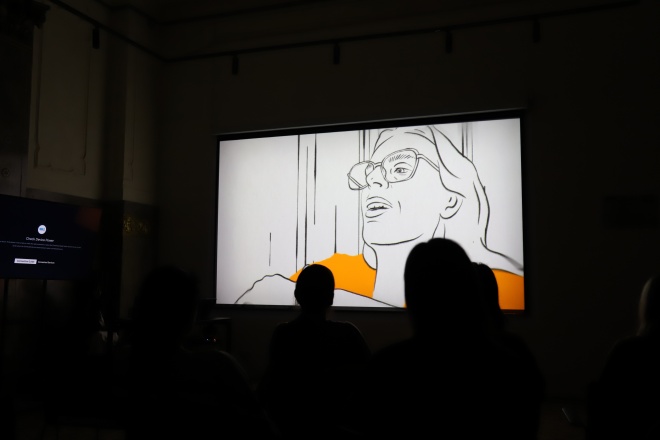 Photo: screening of short films, by Yaroslav Tabinsky
How I Spent My Summer Holidays? by Antonio Lukich
A polyphonic portrait of Ukrainian childhood during the war.
Young protagonists from Pisochyn, Zaporizhzhia, the Mykolayiv Region, Kyiv, Lviv, and Nemishaieve spoke about losses, relocations, their parents’ service, and the dreams that remain unchanged: to see the sea, to see their father return, to go on a journey across Ukraine with the whole family.
The film sparked strong reactions, as everyone recognised someone close — or themselves — in these children.
Inside, the Valley Sings by Nathan Fagan
The author takes viewers into an American prison, where people spend decades in solitary confinement.
It reveals the destruction of the mind, the need for love, the longing for freedom — and resonates with particular pain in the Ukrainian context, as thousands of our citizens remain in captivity in Russia in conditions beyond description.
Where’s My Body Armor? by Daria Penkova
An ironic yet profound story about a soldier who, after being wounded, returns to Kramatorsk and tries to find his lost body armor.
The film blends vlog and documentary formats, showing both the chaos in which soldiers live and the warm personal bonds that help them hold on.
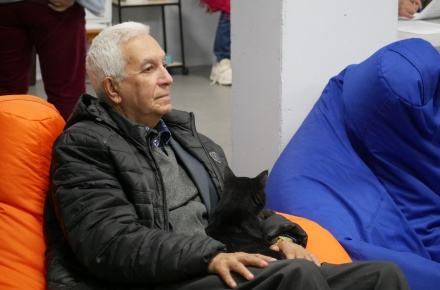
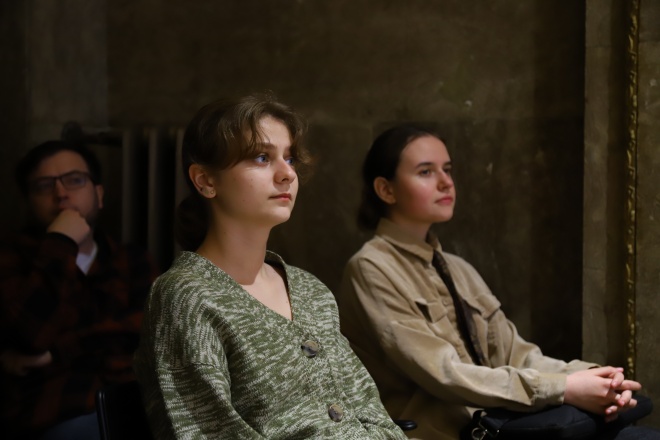 Photo: spectators in Lviv, author Yaroslav Tabinsky
“We are not celebrating — we are recording the truth”
The festival closing event in Lviv was not so much festive as sincere. And it once again reminded us that Docudays UA is not merely about film screenings, it is a way to speak about a reality that is often drowned out by informational noise.
Rare resources are not minerals. It is human freedom, human memory, and human life.
Author: Andriana Diachyshyn
The 22nd Travelling Docudays UA is held with the financial support of the European Union, the Embassy of Sweden in Ukraine, and International Media Support. The opinions, conclusions or recommendations do not necessarily correspond to the views of the European Union, the governments or charities of these countries. Responsibility for the content of the publication lies solely on its authors.