Light that never fades: Travelling Docudays UA by candlelight in Chornomorsk
Light that never fades: Travelling Docudays UA by candlelight in Chornomorsk
Despite air raid alerts, power outages, and the constant pressure of war, the 22nd Travelling Docudays UA International Human Rights Documentary Film Festival took place in Chornomorsk. This year, it became not just a cultural event, but evidence that Ukrainian communities remain resilient, conscious, and capable of uniting around the values of humanity and freedom.
Opening by candlelight
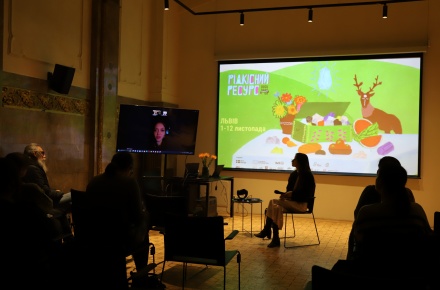
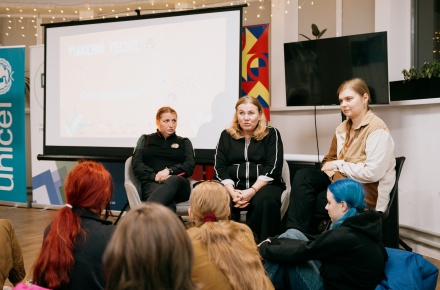
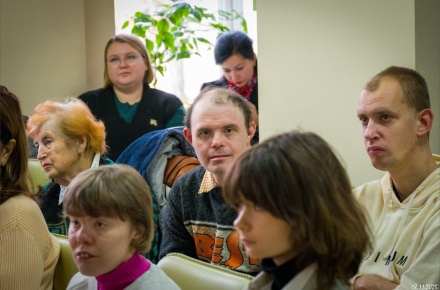
The festival began symbolically: due to a power outage, the hall was lit only by candles. Yet despite the darkness, the atmosphere was filled with an inner light — the light of the people who came to watch films, to think, to ask questions. Viewers, together with participants from Dnipro in a video call, watched Antonio Lukich’s film How I Spent My Summer Holidays?. The screening became a reason to talk about participatory democracy, or citizens’ participation in shaping public policy.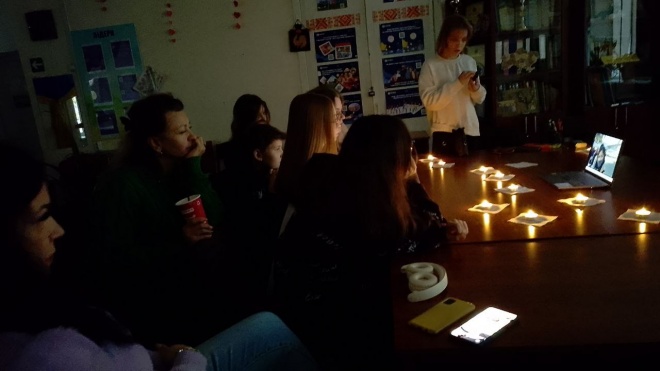 Photo: Watching the film How I Spent My Summer Holidays? in Chornomorsk
Geography of events: From lyceums to bomb shelters
The 22nd Travelling Docudays UA reached dozens of education institutions in Chornomorsk and Odesa and even warmly welcomed the relocated Berdyansk Grammar School No. 5.
At Odesa Lyceum No. 81, the screening of Last Song from Kabul turned into a conversation about freedom of self-expression and the price women pay for it in different parts of the world.
At the Chornomorsk Maritime Vocational College, the screening of How I Spent My Summer Holidays? was interrupted several times by air-raid sirens. Students went down to the shelter and returned — to finish watching, to discuss, to persevere. The next day, a Shahed drone exploded near the college, and the film about war became eerily more real.
At the relocated Berdyansk Grammar School No. 5 Perlyna, the films served as a basis for discussions about education in wartime and the threats children face today.
Art as a response to pain
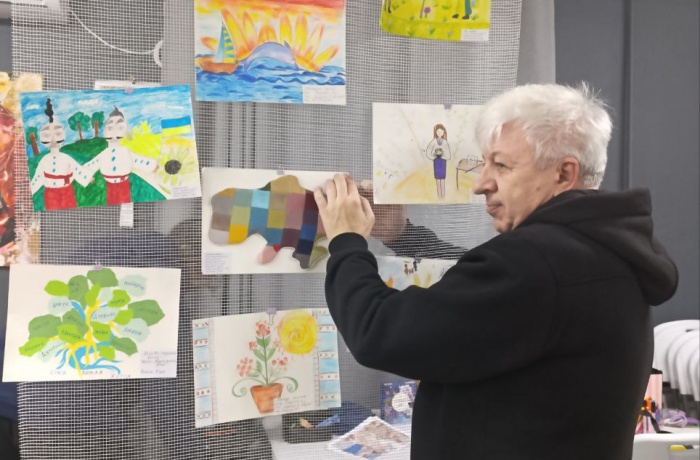
The festival became a space not only for watching films but also for therapy. After difficult screenings in the Workshop for the Soul, at the Centre for Extracurricular Education, and in institutions where learning continued despite power outages, children and adults painted, decorated tote bags, and created associative images of their emotions. Art became a bridge from fear to strength, from anxiety to recovery.
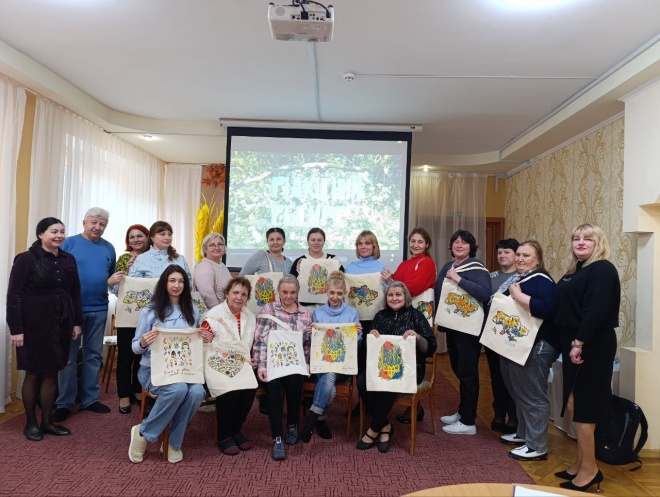 Photo: Art classes during 22 Travelling Docudays UA
Theme of the year: Rare Resource
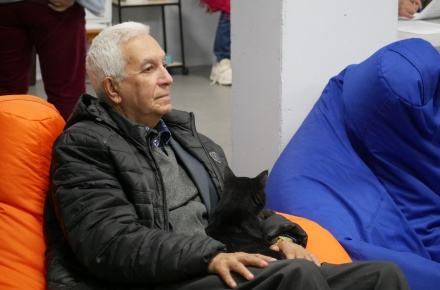
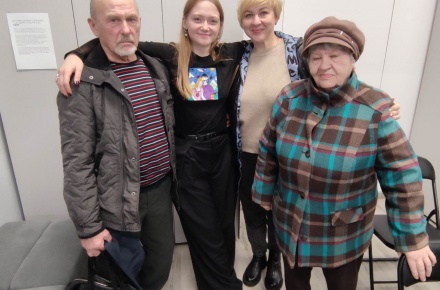
This year’s Docudays UA motto in Chornomorsk gained a particularly profound meaning. Under constant air-raid sirens, the pressure of the news, and amid fatigue and pain, people still came to the screenings. They brought with them the rarest resource of our time: humanity. It was reflected in children’s exhibitions, sincere discussions, and quiet rooms lit by candles where important words were spoken even in the dark.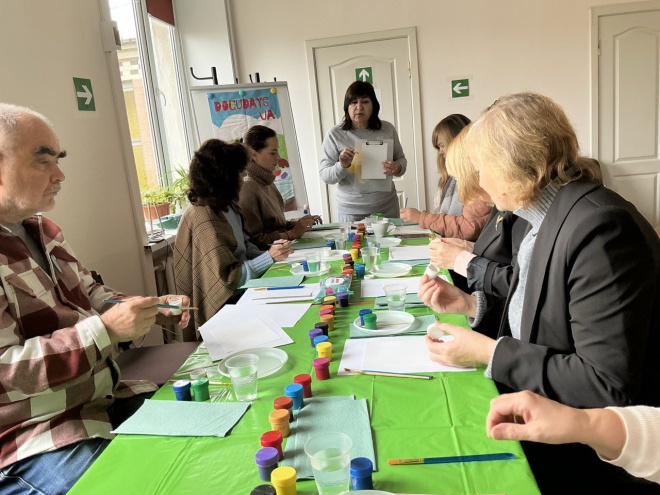 Photo: Thanksgiving celebration
Festival closing: Celebration of gratitude
At the Chornomorsk Palace of Culture, the festival’s results were summed up and acknowledgements were presented to all the organisations that helped make it happen. Among them were educational, cultural, and community institutions, art-therapy spaces, and relocated educational establishments. This partnership became proof that even in wartime, the hromada is capable of creating a cultural frontline together, supporting young people, and shaping an environment where human rights are not an abstraction, but a reality.
Travelling Festival that united the city
This year, Docudays UA in Chornomorsk did not simply happen — it became an event that united people in the most difficult of times. With candles and air-raid sirens, in halls, in basements, online and in person — people watched, reflected, and talked. And every day they proved: our most valuable resource is the ability to remain human.
Author: Oleh Okhredko
The 22nd Travelling Docudays UA is held with the financial support of the European Union, the Embassy of Sweden in Ukraine, and International Media Support. The opinions, conclusions or recommendations do not necessarily correspond to the views of the European Union, the governments or charities of these countries. Responsibility for the content of the publication lies solely on its authors.