How cinema helps us speak about the past today: Screenings in the Khmelnytskyi Region
How cinema helps us speak about the past today: Screenings in the Khmelnytskyi Region
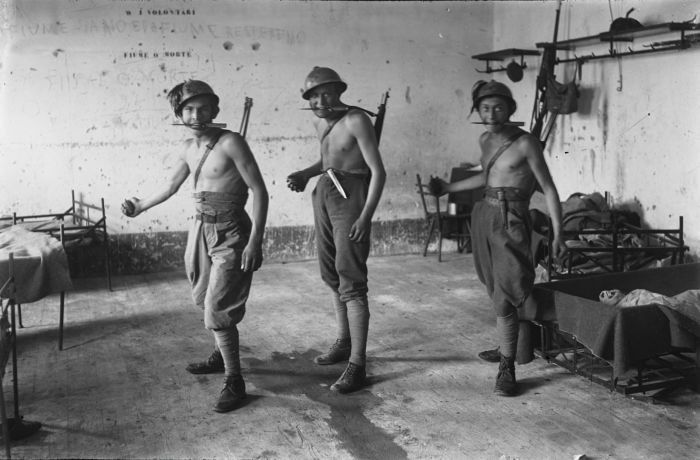
During the Travelling Docudays UA’s cinema journey through the Khmelnytskyi Region, a screening of Igor Bezinović’s film Fiume O Morte! took place. This film offers an unconventional perspective on one of the most controversial figures in early 20th-century European history, the poet and nationalist Gabriele D’Annunzio.
 Photo: director Igor Bezinović’s film Fiume O Morte!
Fiume of 1919: The escapade begins
The events of Fiume O Morte! transport viewers to 1919, when a detachment of Italian grenadiers led by Gabriele D’Annunzio seized the city of Fiume (modern-day Rijeka, Croatia). The self-proclaimed occupation lasted 16 months and was recorded in history as one of the most eccentric political escapades of its time. D’Annunzio declared an “Italian regeneration” in the city, attempting to merge a cult of personality, art, and radical nationalism.
The perspective of Rijeka residents: Between fascination and condemnation
Bezinović’s film is built on a combination of historical re-enactments and interviews with contemporary residents of Rijeka. The director asks passersby of different ages about their attitude toward D’Annunzio. And the range of answers vividly shows how ambiguous this figure still is.
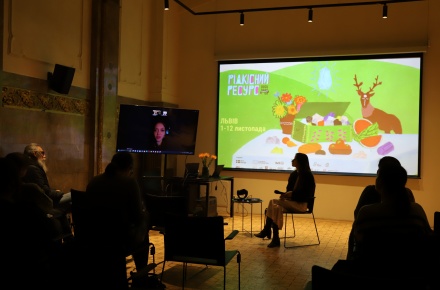
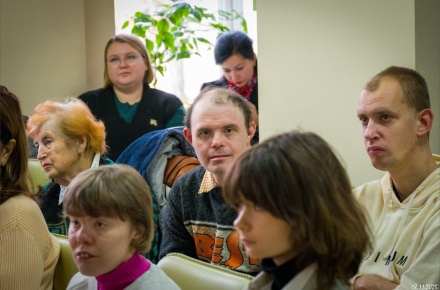
For some, he is a genius poet and innovator of ideas, a person who anticipated new forms of mass politics and became a symbol of cultural experimentation.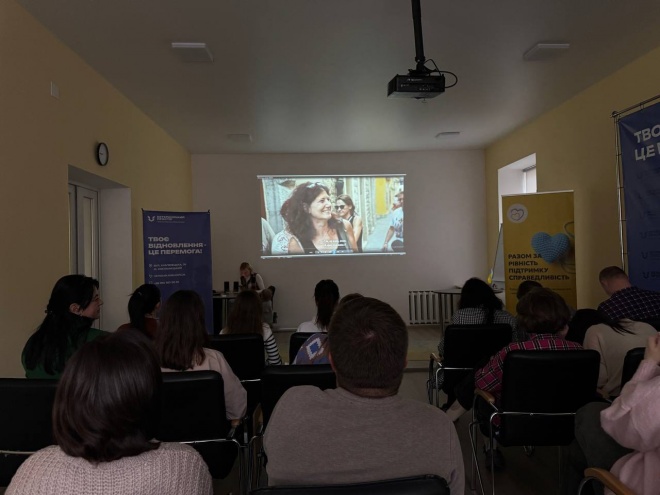 Photo: screening of a film
For others, he is a fascist forerunner, a dictator whose rhetoric and methods later inspired Mussolini and other authoritarian regimes.
The film balances between tragedy and satire, emphasising both the absurdity and the danger of D’Annunzio’s political experiment. As a result, the viewer not only learns about a historical fact but is compelled to rethink the role of a leader and the power of mass sentiment.
Ukrainian parallels
During the discussion, participants noted that many episodes of the film unintentionally echo events that Ukraine is experiencing today.
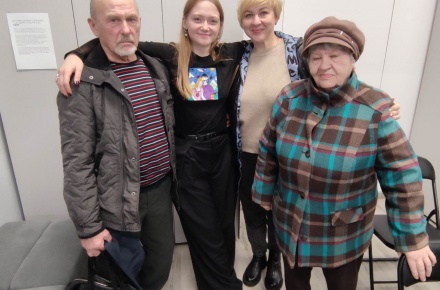
Issues of manipulation with ideas, the cult of a leader, the struggle for territory and identity — all of this resonates with contemporary Ukrainian realities.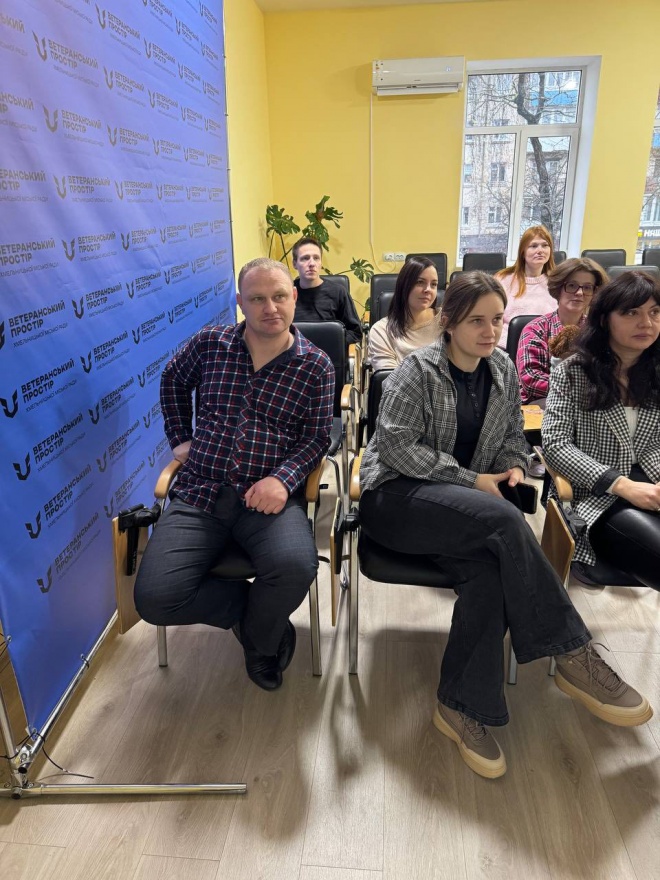 Photo: discussion after the screening
That is why watching Fiume O Morte! became not only a journey into history, but also an occasion to reflect on today’s challenges.
The 22nd Travelling Docudays UA is held with the financial support of the European Union, the Embassy of Sweden in Ukraine, and International Media Support. The opinions, conclusions or recommendations do not necessarily correspond to the views of the European Union, the governments or charities of these countries. Responsibility for the content of the publication lies solely on its authors.