The Price of Home: Why People Stay Under Fire and How to Help Them Make the Decision to Evacuate
The Price of Home: Why People Stay Under Fire and How to Help Them Make the Decision to Evacuate

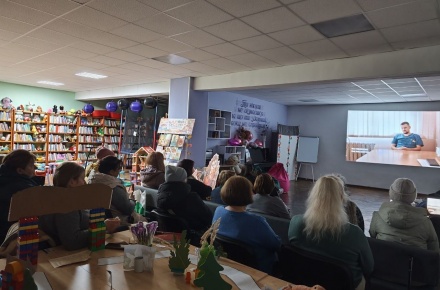
A question often asked in cities far from the front lines, sometimes with bewilderment or even judgment: “Why don’t they leave?” Yet behind every such decision lie not just square metres of living space, but an entire life, the fear of the unknown, and a deep emotional attachment to home.
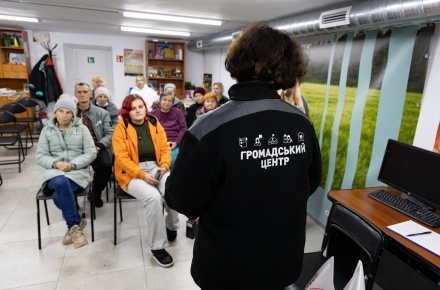
This complex and painful issue was the focus of an event held at the Resilience Centre in Rivne.
One Person’s Story: A View Through the Camera Lens
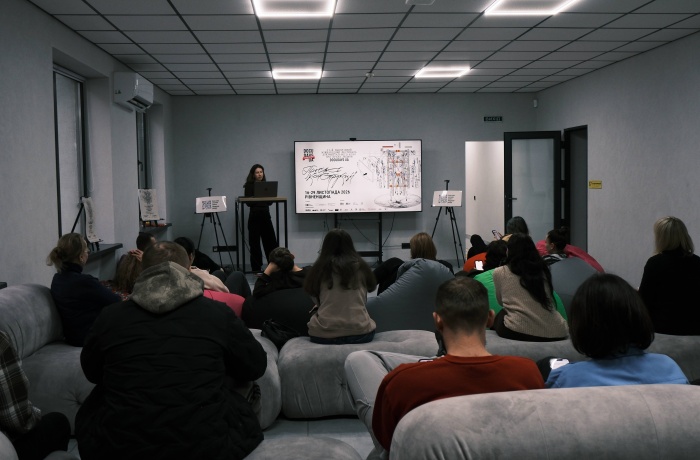
The central event of the meeting was a screening of Apocalypse Yesterday, Today, Tomorrow and the Day After Tomorrow, a documentary film by director Anastasiya Bonadyha. The film introduces viewers to a resident of Nikopol, a city that suffers from daily enemy shelling. Despite the constant threat to his life and the destruction all around him, the protagonist chooses to stay at home.
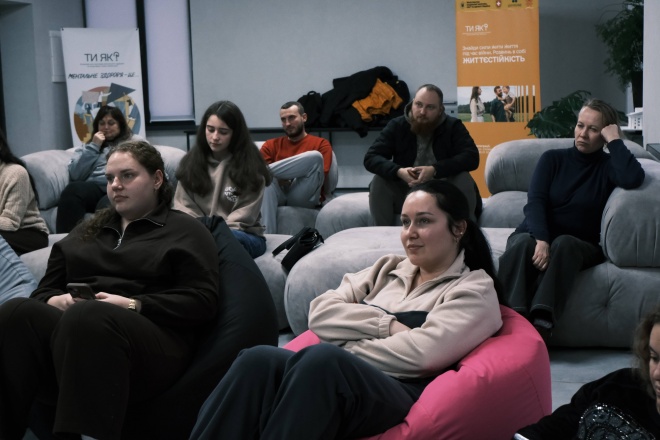
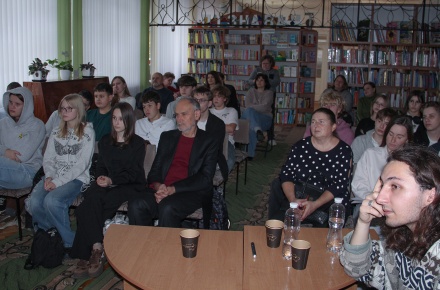
Photo: Participants of the event.
Through one person’s story, the film explores a large-scale social issue familiar to thousands of Ukrainians living in frontline communities. Here, documentary filmmaking serves not merely to record reality, but as a bridge to empathy, helping residents of safer regions better understand the motivations of those who continue to live in the line of fire.
From Film Discussion to Finding Systemic Solutions
Immediately after the closing credits, the conversation shifted to practical matters. During an expert discussion, specialists who work with internally displaced people on a daily basis examined the main barriers preventing people from leaving dangerous areas, as well as the challenges they face once they arrive somewhere new.
The discussion brought together:
-
Olena Khomych — Head of the Centre for Integration NGO and Social Manager at the Resilience Centre in Rivne;
-
Olesia Myronets-Matushchenko — Head of the Council of IDPs under the Rivne Regional Military Administration.
The experts emphasised that evacuation is not a one-off logistical operation involving the transfer of a person from point A to point B. Rather, it is a lengthy, multi-stage process in which society’s readiness to welcome newcomers plays a crucial role.
Comprehensive Support After Evacuation
Drawing on her practical experience working with evacuated families, Olena Khomych stressed the importance of continuous support. According to her, leaving an area under fire saves lives, but the real challenges often begin once people have reached relative safety.
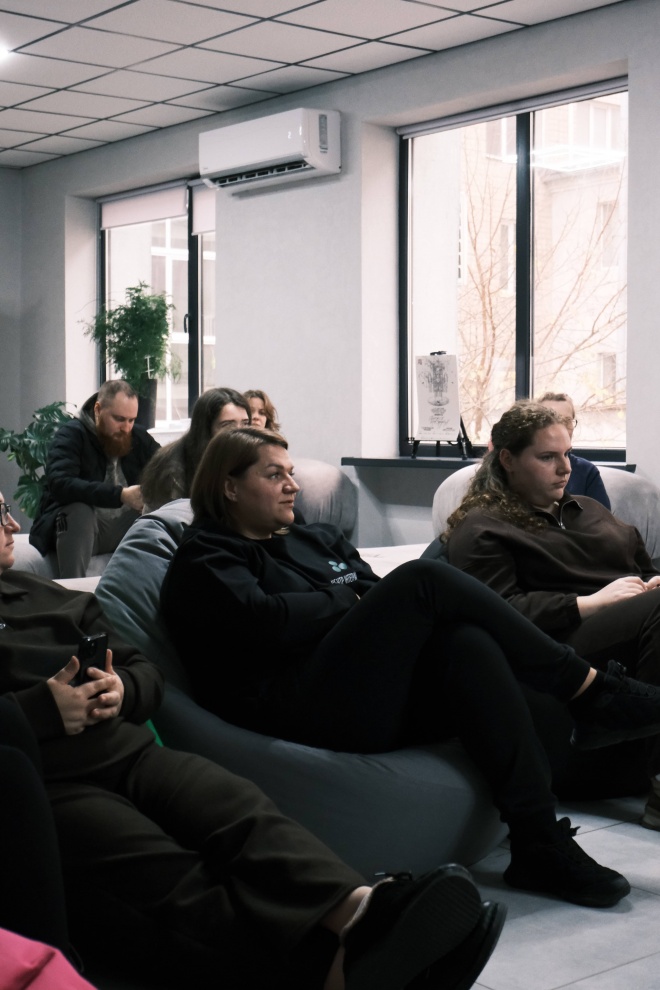
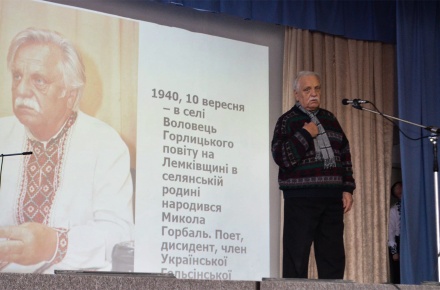
Photo: Olena Khomych, Head of the Centre for Integration NGO and Social Manager at the Resilience Centre in Rivne; participants of the event.
Alongside the basic need for safe housing, people require quality social and psychological support, help in coping with traumatic experiences and guidance in navigating their new circumstances. Without this, they risk being left alone to deal with their problems and eventually returning to danger.
The Strength of Local Communities: Helping IDPs Feel at Home
Olesia Myronets-Matushchenko gave particular attention to the role of local communities in the integration of internally displaced people. She emphasised that genuine integration does not happen through nationwide declarations, but in the towns, settlements and villages where people actually arrive.
According to Olesia Myronets-Matushchenko, for displaced people to put down roots in a new place, host communities must establish systematic support in several key areas: participation in community life, the creation of shared spaces and access to local resources.
IDPs should not feel like “temporary guests” or passive recipients of humanitarian aid. Joint cultural, educational and volunteer activities help break down the invisible barrier between local residents and newcomers, fostering mutual trust and solidarity.
Equally important is ensuring that people feel they have agency and a voice of their own, through participation in local initiatives, advisory bodies and community life.

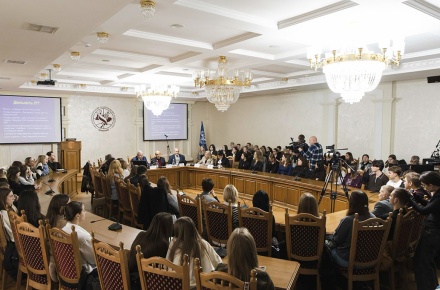
Photo: Olesia Myronets-Matushchenko, Head of the Council of IDPs under the Rivne Regional Military Administration.
Community-level support should also include assistance with finding employment, retraining, starting a business and securing places for children in kindergartens and schools. Economic and social independence is essential to successful integration.
A decisive factor is the openness of local authorities and residents. When people feel that they are welcome, that someone is willing to listen and help them find the right person to turn to with their problems, the adaptation process becomes much easier and less painful.
A Clear Path Forward Instead of Fear of the Unknown
The main takeaway from the meeting is that fear of the unknown can often outweigh fear of shelling. When people do not know where they will live tomorrow, how they will support themselves or whether their new community will accept them, they may choose the familiar danger of home instead.
“To help people feel ready to leave dangerous areas, it is important not only to ensure that they can physically evacuate, but also to give them a clear understanding of what awaits them after evacuation,” the experts concluded.
It is precisely the synergy between government institutions, civil society organisations, IDP Councils and active members of local communities that creates the support people need to regain a sense of stability, integrate into a new life and take the step that will save their lives.
Photo credit: Yuriy Krynytskyy.
The 23rd Travelling Docudays UA is held with the financial support of the European Union, the Embassy of Sweden in Ukraine and the International Renaissance Foundation. The views, findings and recommendations expressed do not necessarily reflect those of the European Union, the governments or charitable organisations of these countries. The authors bear sole responsibility for the content of this publication.