“An Open World”: How Citizens Can Influence Government Decisions
“An Open World”: How Citizens Can Influence Government Decisions
What does citizen participation in a democratic state actually mean? What mechanisms are available, and how can people make use of them?
A discussion entitled "An Open World” took place at Uzhhorod National University. This time, the conversation focused on participatory democracy, new opportunities for citizens to influence government decisions, and how digital tools are gradually transforming traditional forms of civic engagement.
The discussion continued this year's festival theme, “Simple Sctructures”. After all, a democratic society is also built on things that may seem simple at first glance: trust, the opportunity to be heard, a willingness to engage in dialogue and a sense of responsibility for what happens in one's own community.
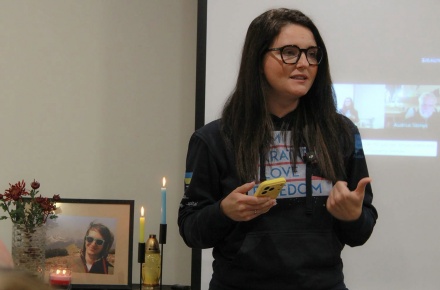
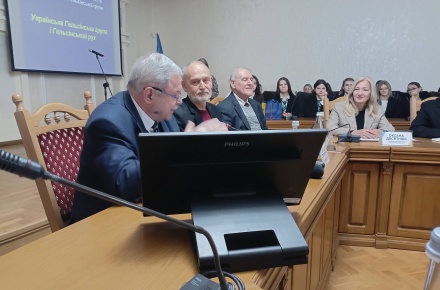
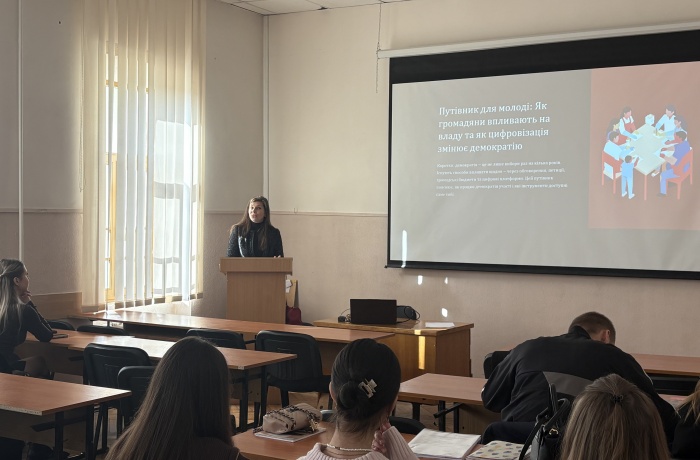
The event featured expert Iryna Khokhlova, Associate Professor and Deputy Dean of the Faculty of Law at Uzhhorod National University.
Democracy Does Not End After Elections
During the discussion, the expert drew attention to the practical dimension of participatory democracy. It begins when people do more than simply wait for decisions from government authorities: they understand which tools are available to them to raise an issue, propose their own solutions or take part in discussions on matters important to their community.
Elections remain the foundation of representative democracy, but they are not the only way to influence public decision-making. Between elections, citizens can submit proposals, take part in consultations, initiate changes, support electronic petitions, participate in participatory budgeting and engage in other forms of local democracy.

Photo: Iryna Khokhlova, Associate Professor and Deputy Dean of the Faculty of Law at Uzhhorod National University.
Citizens' assemblies were another topic of discussion. This is a format in which citizens work together with experts to address complex social issues and develop recommendations for government authorities. This approach is already being used in various countries and demonstrates that public participation can be meaningful and well-organised rather than merely a formality.
Another important topic was digitalisation. Today, people can submit petitions, take part in consultations and support community projects online, making civic participation more accessible, particularly for young people. At the same time, digital formats require new skills: the ability to work with information, verify sources, understand how online platforms operate and use them safely.
The Right to Be Heard
The discussion also addressed public consultations and legislative changes intended to make dialogue between government authorities and citizens more systematic. The principle is simple: important decisions should not merely be made public after they have been adopted. People should have an opportunity to voice their opinions while decisions are still being prepared, and government authorities should explain which proposals have been taken into account and which have not.

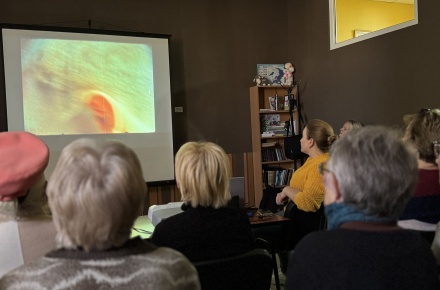
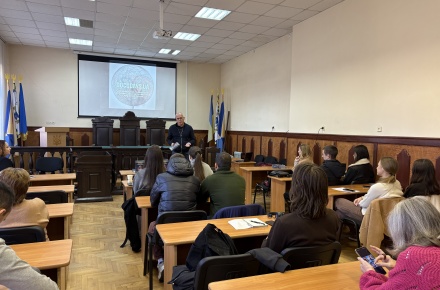
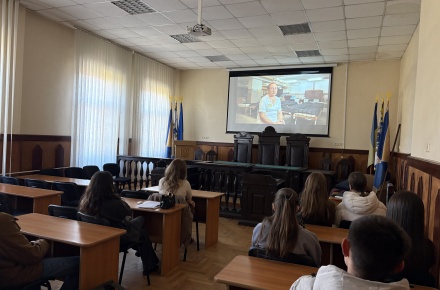
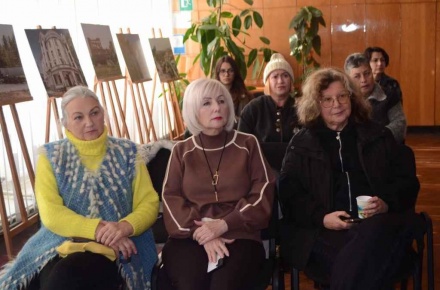
Photo: Participants of the event.
Participants also discussed how legislation alone cannot guarantee active civic engagement. It is equally important for people to know their rights, understand the relevant procedures and feel confident enough to use them. That is why legal awareness and accessible explanations of participation mechanisms remain an important part of developing local democracy.
Openness Begins with Participation
Gradually, the discussion moved beyond purely legal mechanisms. Participants talked about how an open world is not simply a space free of barriers. It is also a society in which people do not feel like outsiders or passive observers when decisions affecting their lives are being made.
The opportunity to ask questions, disagree, suggest an alternative approach, join a discussion or support an initiative that matters to one's community — these are the actions that make up everyday democracy.
Sometimes the first step is very simple: finding out which participation mechanisms are already available in your city or community and trying them out.
The 23rd Travelling Docudays UA festival is supported by the European Union, the Embassy of Sweden in Ukraine and the International Renaissance Foundation. The views, findings and recommendations expressed do not necessarily reflect those of the European Union, the governments or charitable organisations of these countries. The authors bear sole responsibility for the content of this publication.