When Theatre Becomes a Space for Change: Forum Theatre Performance The Flat in Zaporizhzhia
When Theatre Becomes a Space for Change: Forum Theatre Performance The Flat in Zaporizhzhia
How can the rights of a person who has lost their home be protected? What choices should one make in this situation? Through interactive engagement with the story of a family forced to build a life in a new city during the war, participants explored the rights of internally displaced people, the responsibility of the state, and the role of the community in supporting those who have lost their homes.
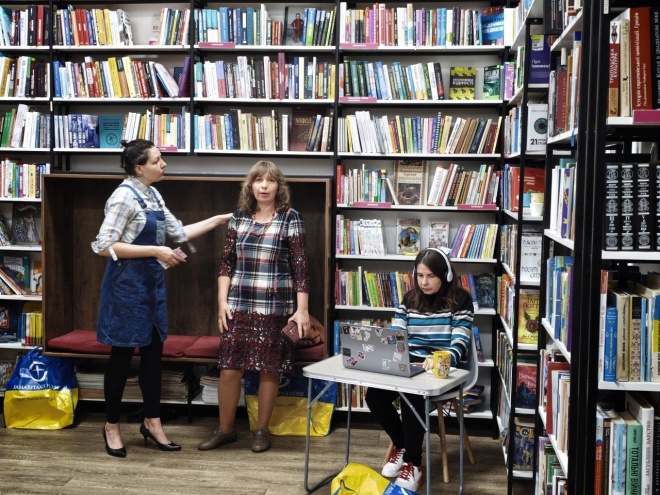
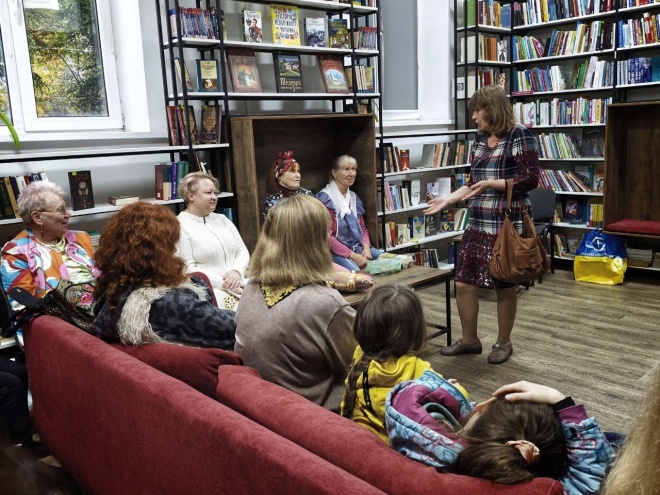
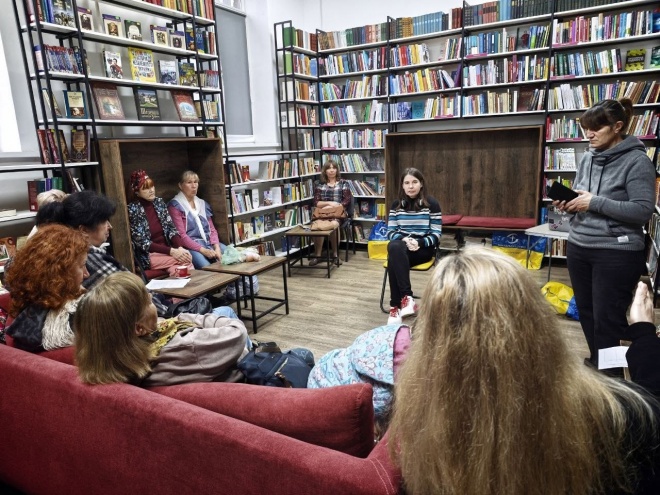
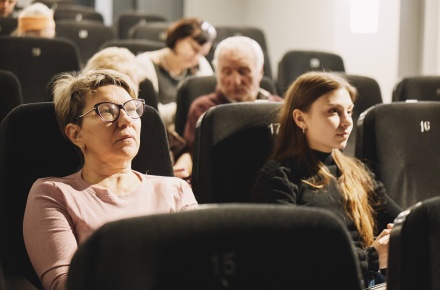
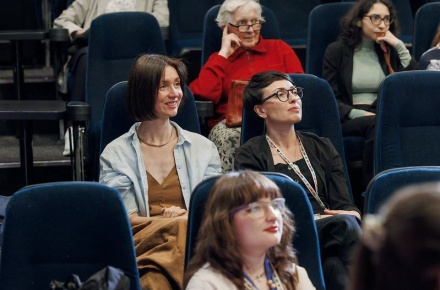
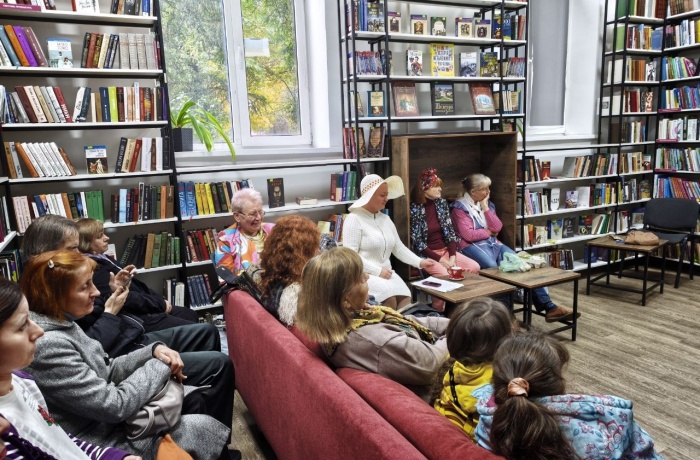
On 17 October, The Flat performance by the I Hear You forum theatre group (Doloni Communication Centre NGO) took place in Zaporizhzhia as part of the 23rd Travelling Docudays UA International Human Rights Documentary Film Festival. The event was moderated by Larysa Holovko, regional coordinator of the 23rd Travelling Festival in the Zaporizhzhia Region and a human rights trainer. The Story of One Family — the Challenges of Thousands of People The performance focuses on Nina, a woman with internally displaced person status who rents a home in a new city with her two daughters. Cramped conditions, uncertainty, financial difficulties, and strained relationships with those around them become daily challenges for the family. The elder daughter, Vira, is forced to work at the kitchen table, combining her professional responsibilities with life in a shared space. Conflicts arise between Nina and her younger teenage daughter over growing up, personal boundaries and family roles. A separate storyline focuses on Nina’s relationship with Klavdiia Petrivna, their landlady. During a telephone conversation about the rent and living conditions, different interests and ideas of fairness come into conflict. Each side has its own truth, and the conflict prompts reflection on how people can coexist while respecting one another’s rights and needs. Through these stories, the performance raises questions about the rights to housing, safety, dignity, privacy, work and family life. At the same time, it shows how the loss of a familiar environment, limited space and constant uncertainty affect a person’s psychological state and family relationships. From the Audience — to Finding Solutions After the performance, the forum theatre event moved into an interactive format. Audience members joined the discussion and came onto the stage to make an intervention: to change the protagonist’s role and try out alternative ways of acting in conflict situations. Participants considered different ways of responding to conflicts between Nina and Klavdiia, as well as difficulties in relationships within the family. They discussed family upbringing, adolescent separation, personal boundaries and each family member’s need to have their own space. Such situations have no universal solution. However, searching together helps people see the problem from different perspectives, understand the motives of those involved in the conflict and test which actions might promote mutual understanding. Audience and actresses in the forum theatre performance The Flat People who have lost their homes, property and familiar surroundings because of the war often find themselves in an unfamiliar environment without sufficient information about available resources and sources of assistance. Clear support mechanisms, access to social services, psychological assistance and opportunities to regain independence are therefore important. Particular attention was paid to emotional exhaustion and the need for psychological support. Participants also sought answers to practical questions: where to obtain help, whom to contact, how to find the resources to establish a new life, and what role the local community can play in this. During the interactive work, participants discussed not only the protagonist’s personal conflicts, but also broader social issues. In particular, they discussed the government’s responsibility for ensuring the rights of internally displaced people, access to housing, job creation, and high-quality social support. Audience and actresses in the forum theatre performance The Flat The participation of women with their own experience of forced displacement was particularly important. They proposed different strategies, acted out scenes from the performance alongside the actresses and analysed the possible consequences of different decisions. Each intervention became an opportunity to reflect together on how the protagonist could defend her rights, build dialogue and seek support. This is precisely what makes forum theatre distinctive: audience members not only observe the story, but also have an opportunity to test their own solutions in a safe theatrical space. Photo credit: Iryna Peshnohrayeva.