How Citizen Engagement Creates a Space for Freedom: “Decolonisation Through the Lens of Participatory Democracy”
How Citizen Engagement Creates a Space for Freedom: “Decolonisation Through the Lens of Participatory Democracy”

What tools for citizen engagement are most effective in the process of decolonising your city or village? Do public hearings, local surveys or electronic petitions work in your community?
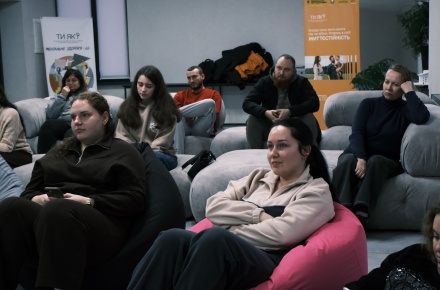
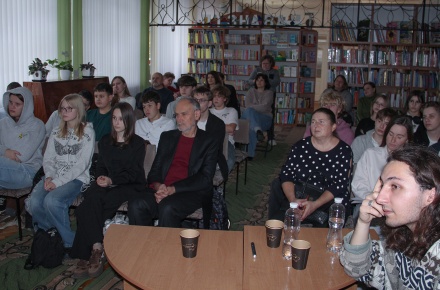
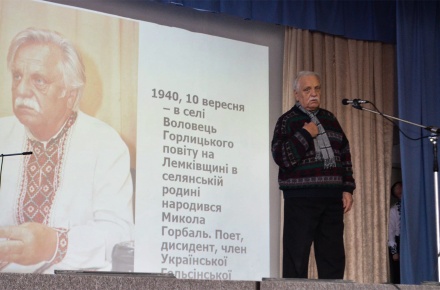
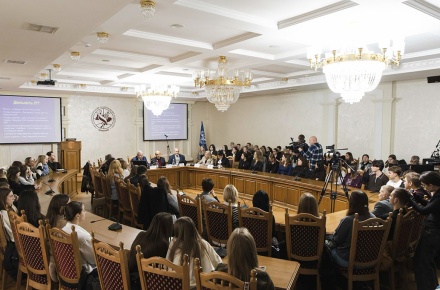
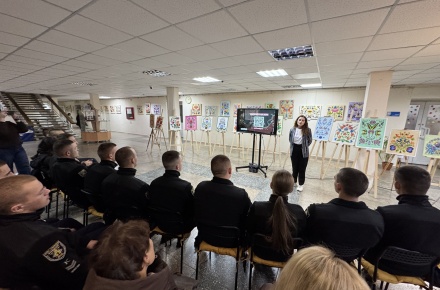
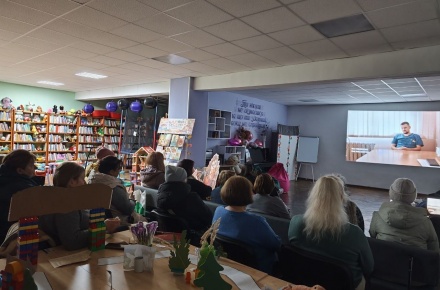
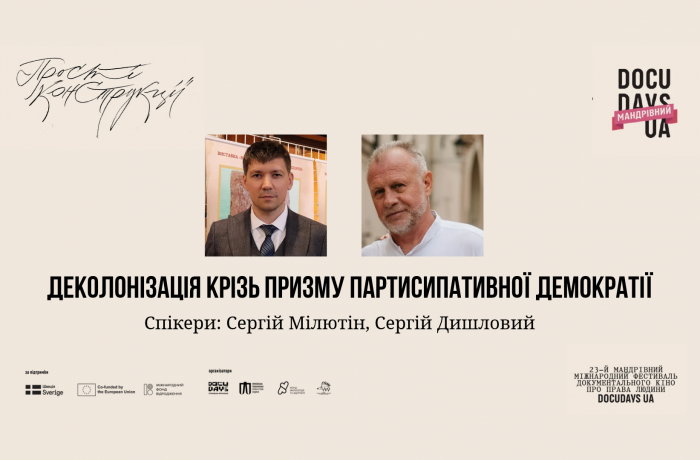
As part of the 23rd Travelling Docudays UA, an open discussion was held on decolonisation through the lens of participatory democracy. The event was organised by our regional partners in Kirovohrad Oblast — the NGOs “Successful Interaction” and “Territory of Success”.
True liberation from the imperial legacy is not simply a matter of mechanically tearing down monuments or replacing street signs by order from above. First and foremost, it requires a profound shift in mindset, with each of us playing a key role in bringing about change. Decolonisation comes to life when it becomes the outcome of participatory democracy — the genuine involvement of citizens in shaping their own cultural space.
Experts joined the discussion on how to make decolonisation a conscious choice for Ukrainians:
• Serhiy Miliutin — historian, educator, local history researcher and author of history books;
• Serhiy Dyshlovyi — human rights advocate and lecturer in history and law.
The discussion centred on an important question: what needs to happen for ordinary citizens to genuinely want their country to be Ukrainian in every sense — from its language and culture to its mentality and political elites?
Legislative Framework or Nation-Building?
Legal regulation is undoubtedly an important foundation for change, but it is merely a framework that needs to be filled with substance.
Human rights advocate Serhiy Dyshlovyi notes that decolonisation involves many steps that can be taken through legislative action: passing a series of laws to regulate renaming, making Ukrainian the only language people are required to speak, and ensuring that only Ukrainian content is available. However, all of these are secondary matters.
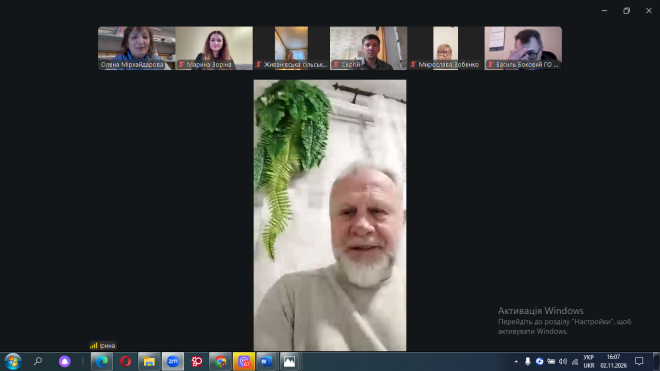
Photo: Serhiy Dyshlovyi, human rights advocate.
“The most important thing in the process of decolonisation and the formation of Ukrainian identity is building or creating a nation as a unified, integrated whole. The nation defines the state. If a nation exists, if it is united and has a shared goal and vision, then the state, too, will be independent, sovereign, prosperous and respected,” Serhiy argues.
A National Idea with Its Sights Set on the Future
For a long time, there has been debate about finding a universal national idea. Experience shows, however, that it cannot simply be borrowed or artificially constructed to meet external standards.
“Each country’s national idea should be shaped by the aspirations it defines for itself. Our national idea must clearly stem from our vision of the future and what we can build. If we look to other countries, including our partners, our national idea will appeal to everyone but ourselves. I believe we need to focus on the unity of our society and the rule of law, so that every citizen’s interests in Ukraine are protected by law, and so that Ukrainians look not to the picture of the past, which divides us, but towards a shared future,” emphasises Serhiy Miliutin.
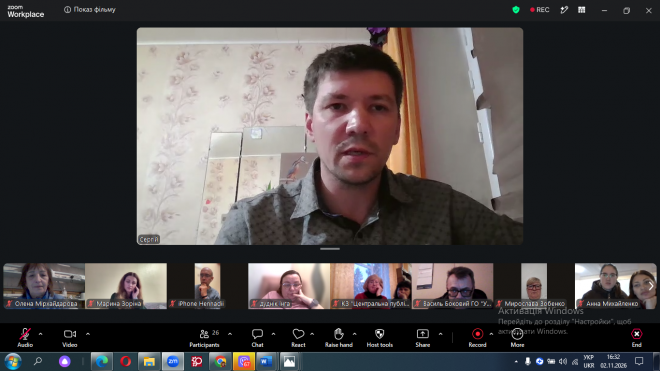
Photo: Serhiy Miliutin, historian and local history researcher.
Participation as a Bridge to Unity
When decisions to rename a street or change a community’s cultural landscape are made through public consultations, petitions, local referendums or community council initiatives, an entirely different level of responsibility emerges. People cease to be passive observers or objects of state policy and become active participants in shaping it.
Historical memory and local history, Serhiy Miliutin emphasises, should be made accessible to citizens through interactive formats, educational hubs and youth engagement. Understanding local history helps people connect with their roots, but it is the shared effort to design a safe, law-governed and inclusive future that brings different regions and generations together.
Only through open dialogue and public engagement can we finally transform former colonial spaces into spaces for a free, conscious and democratic community.
Image credits: Olena Mirkhaidarova, Maryna Zorina.
The 23rd Travelling Docudays UA is held with financial support from the European Union, the Embassy of Sweden in Ukraine and the International Renaissance Foundation. The views, findings and recommendations expressed do not necessarily reflect those of the European Union, the governments or charitable organisations of these countries. The authors bear sole responsibility for the content of this publication.